

When parents think about school readiness, they often focus on academics. Can my child recognize letters? Count to 20? Write their name?
While those skills are important, they aren't the only indicators that a child is ready to succeed in the classroom.
In fact, many of the skills that help children thrive in school have little to do with academics. A child's ability to regulate emotions, follow routines, and participate in daily activities often has an even greater impact on their success.
Here are five important skills that support a smooth transition into school.
- Emotional Regulation
Every child experiences frustration, disappointment, and excitement. School requires children to manage those emotions throughout the day, whether they're waiting their turn, solving a problem, or adapting to a new routine.
Children who can recover from challenges more easily are often better prepared to participate and learn.
- Following Multi-Step Directions
Teachers give instructions all day long.
"Put your folder away, wash your hands, and sit on the carpet."
Children who can listen, remember, and complete multiple steps are often more successful in the classroom and feel more confident during daily routines.
- Fine Motor Skills
Many classroom activities rely on strong fine motor skills, including:
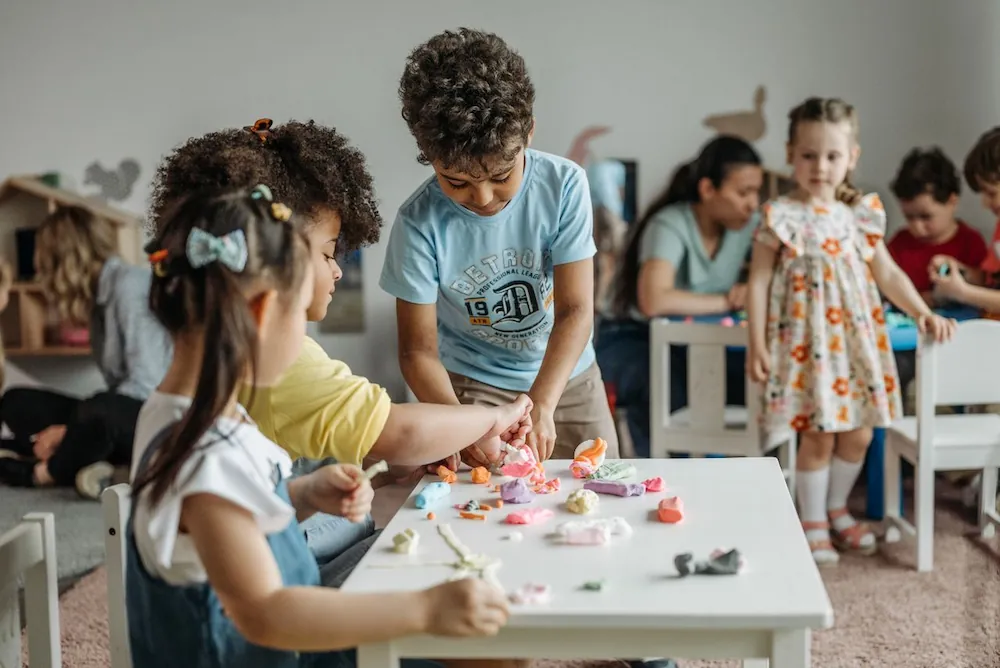
Holding a pencil Using scissors Coloring Buttoning jackets Opening lunch containers Managing zippers and backpacks
Developing these skills helps children become more independent throughout the school day.
- Attention and Participation
Children don't need to sit perfectly still, but they do need to participate in classroom activities for age-appropriate periods of time.
Being able to attend to a task, shift attention when needed, and participate in group activities are all important parts of school readiness.
- Independence
Simple everyday skills build confidence. Can your child:
Wash their hands? Put on their shoes? Open their snack? Follow a simple routine? Ask for help when needed?
These moments happen throughout every school day and help children feel capable in new environments.
How Occupational Therapy Can Help
If your child is struggling in one or more of these areas, it doesn't mean they aren't ready for school. It simply means they may benefit from additional support.
Occupational therapy helps children develop the foundational skills needed for success through play-based activities, sensory integration, and individualized treatment that meets each child where they are.
At Kynetic Integrations, we help children build confidence, independence, and the skills they need to participate successfully at home, at school, and in everyday life.
Every child develops at their own pace, and with the right support, they can enter the classroom feeling prepared, capable, and ready to learn.